
The X1
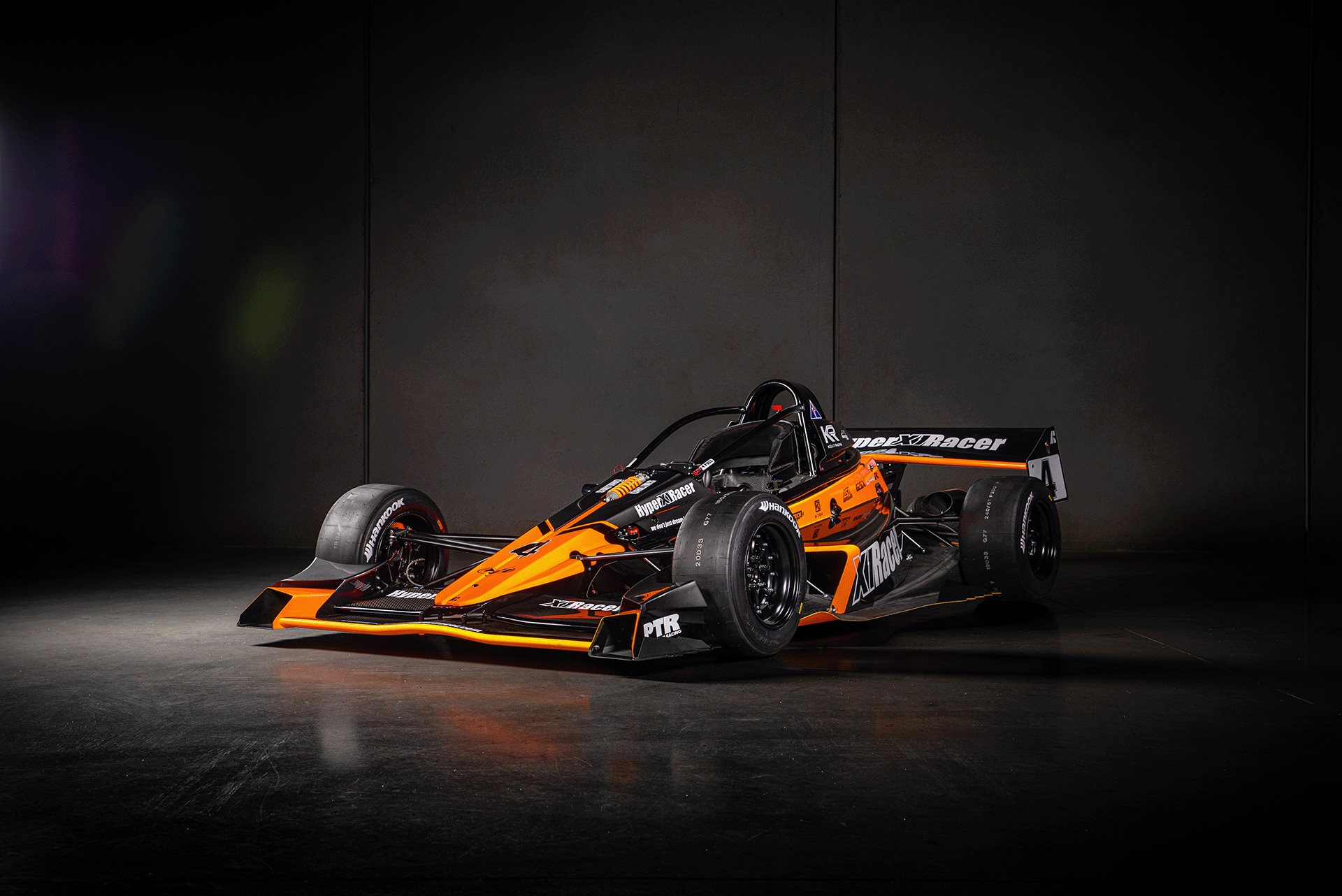
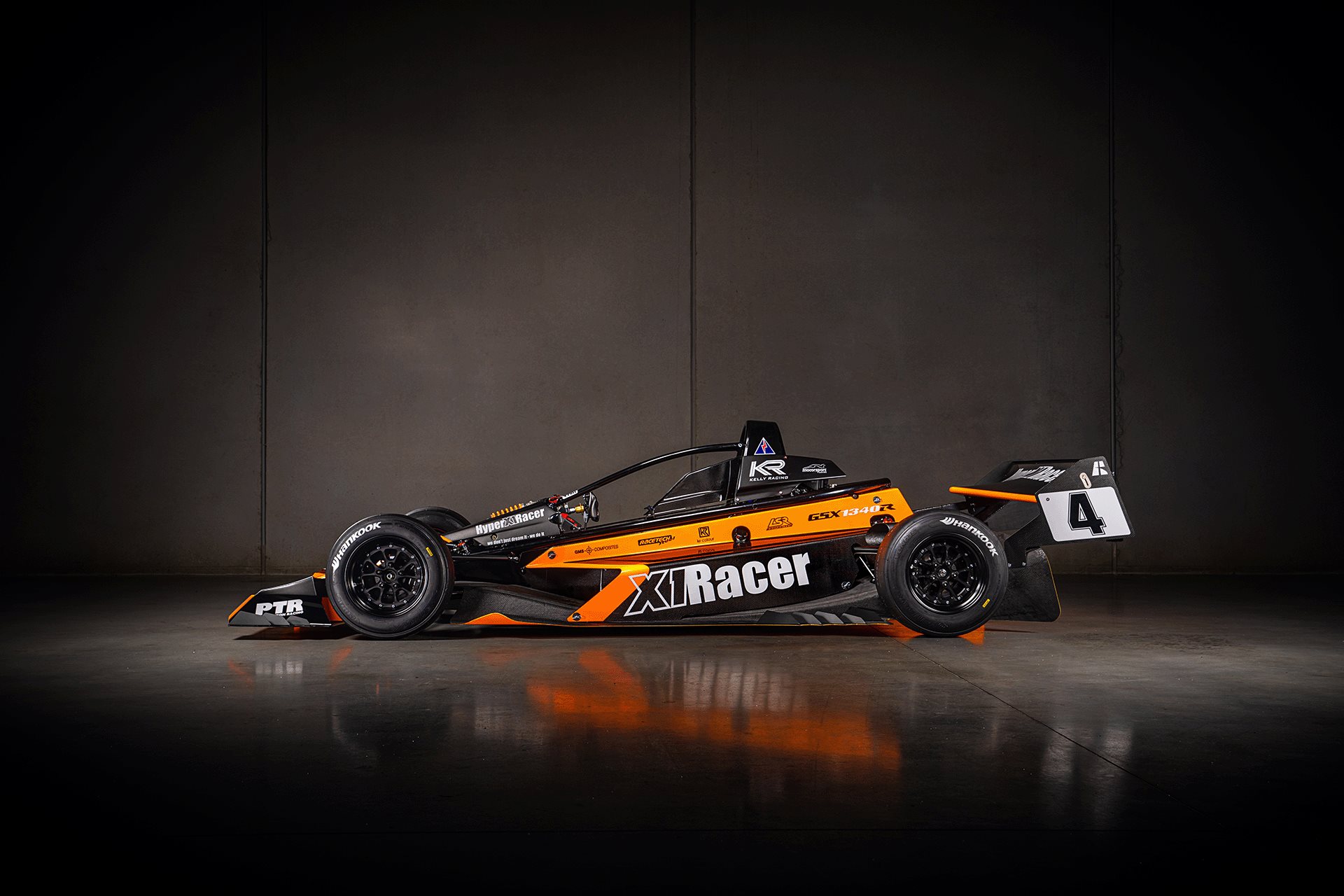
The world's lightest full ground-effects race car.
Scroll
"Nimble, fast and mega responsive — and super predictable. The bang for buck is incredible."
Straight out of the car after his first laps in the X1. His words, not ours.
"It’s not how fast the car goes, but how fast you are willing to drive it."- Jeremy Clarkson.
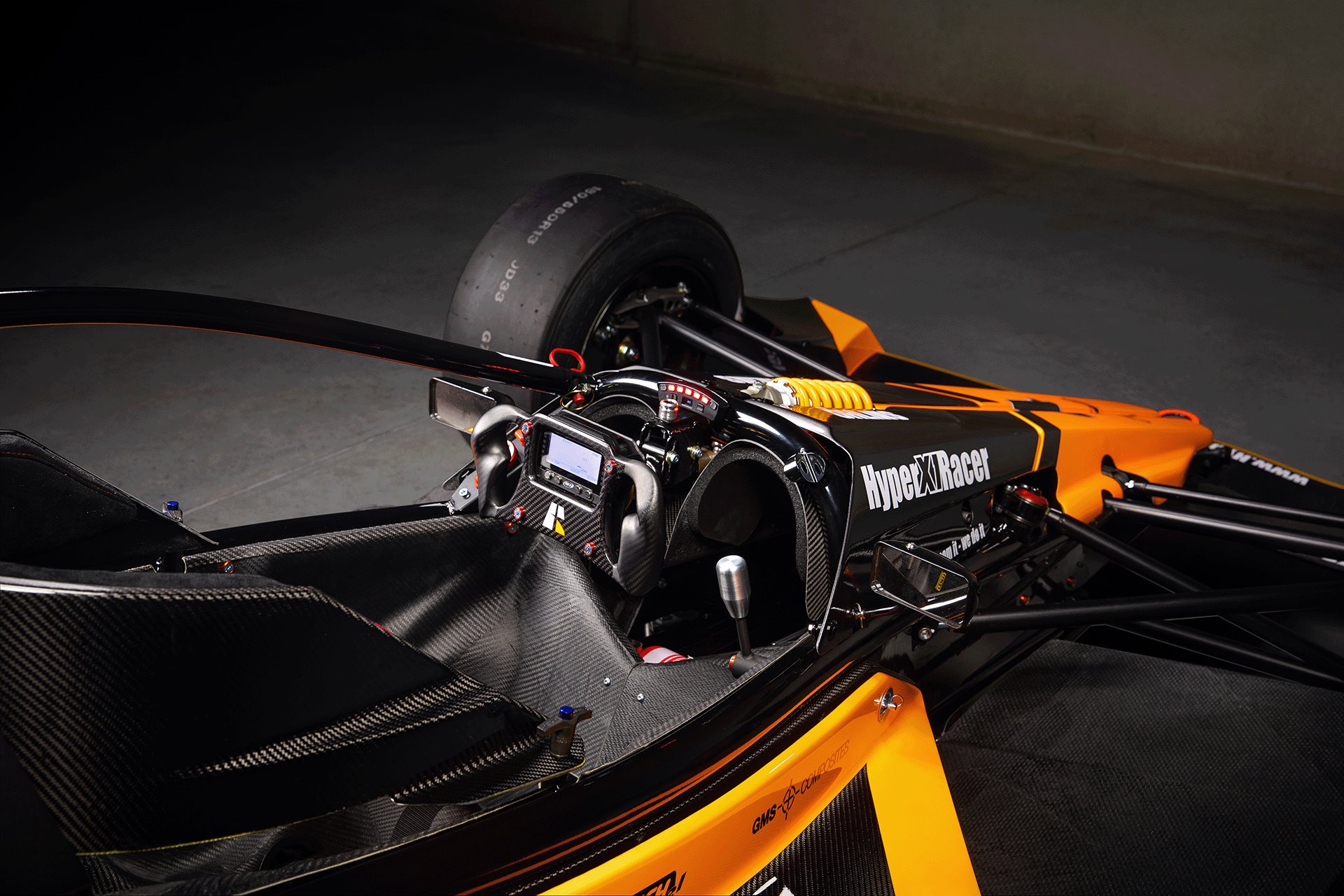

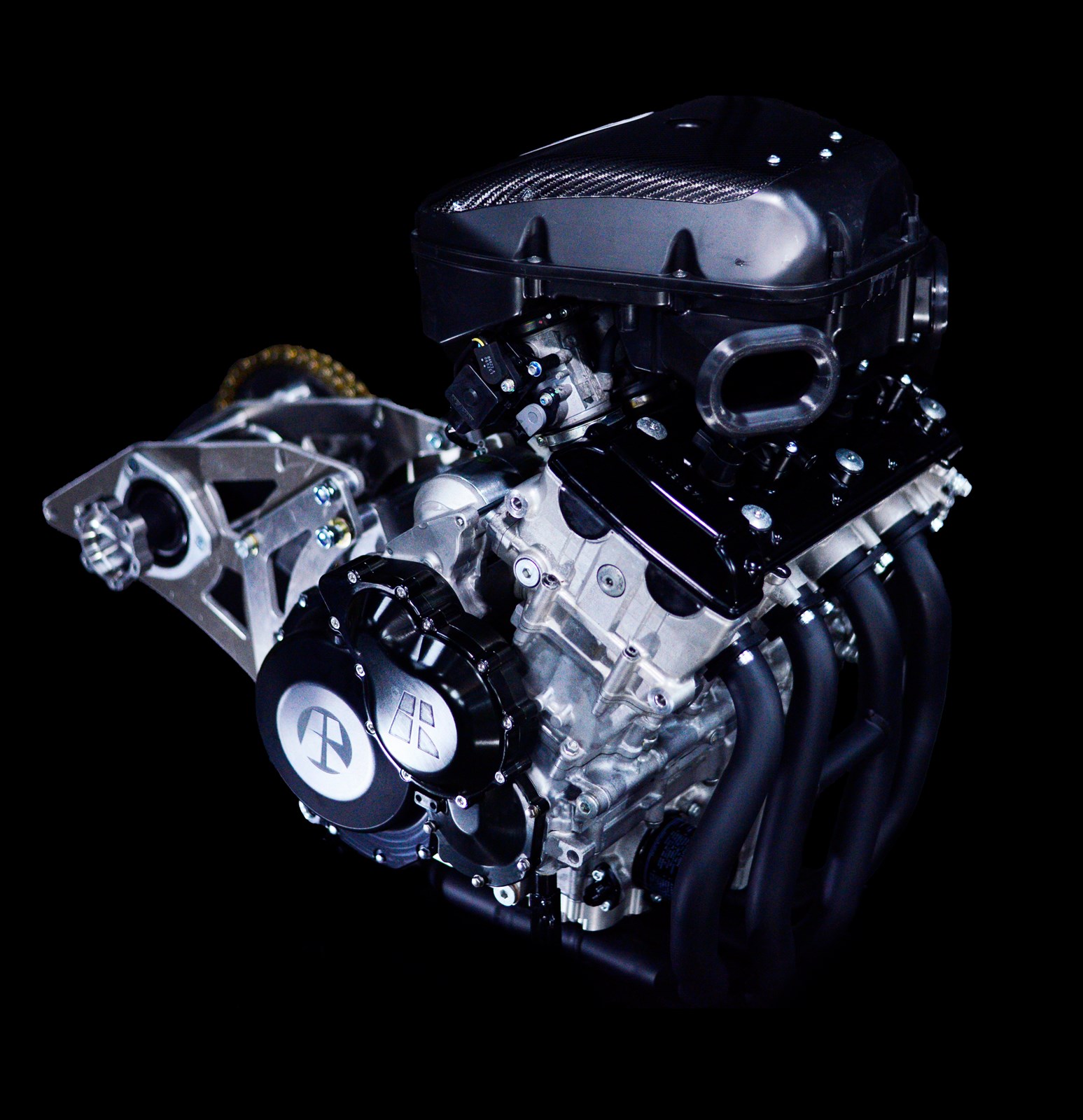
At the heart of every X1 sits the HyperBusa — a Suzuki Hayabusa 1340cc superbike engine, stripped, reworked and reborn for the circuit. It revs to the sky, makes 200 hp, and weighs a fraction of any car engine ever put in a race car — which is exactly why 410 kg hits the way it does.
Every used engine is completely stripped and rebuilt in-house — new bearings, upgraded valve springs and case studs — then armoured with billet hardware we machine ourselves:
And for total peace of mind, every engine can be spec'd with a full rebuild — new pistons, rods and valves — so your HyperBusa leaves us as good as new, and built to stay that way.
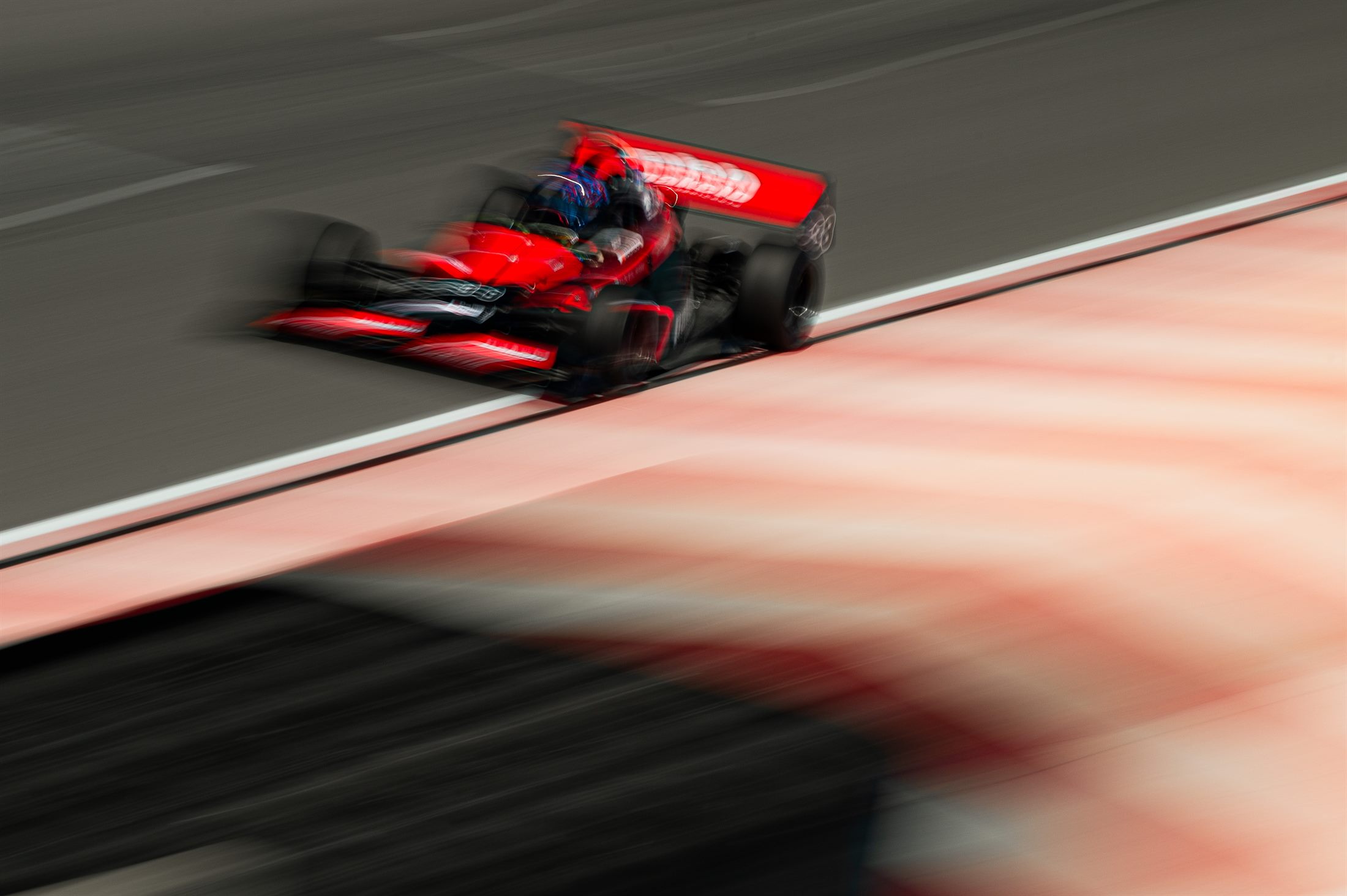
410kg, pinned to the road by full ground-effect tunnels. The harder you lean on it, the more grip there is.
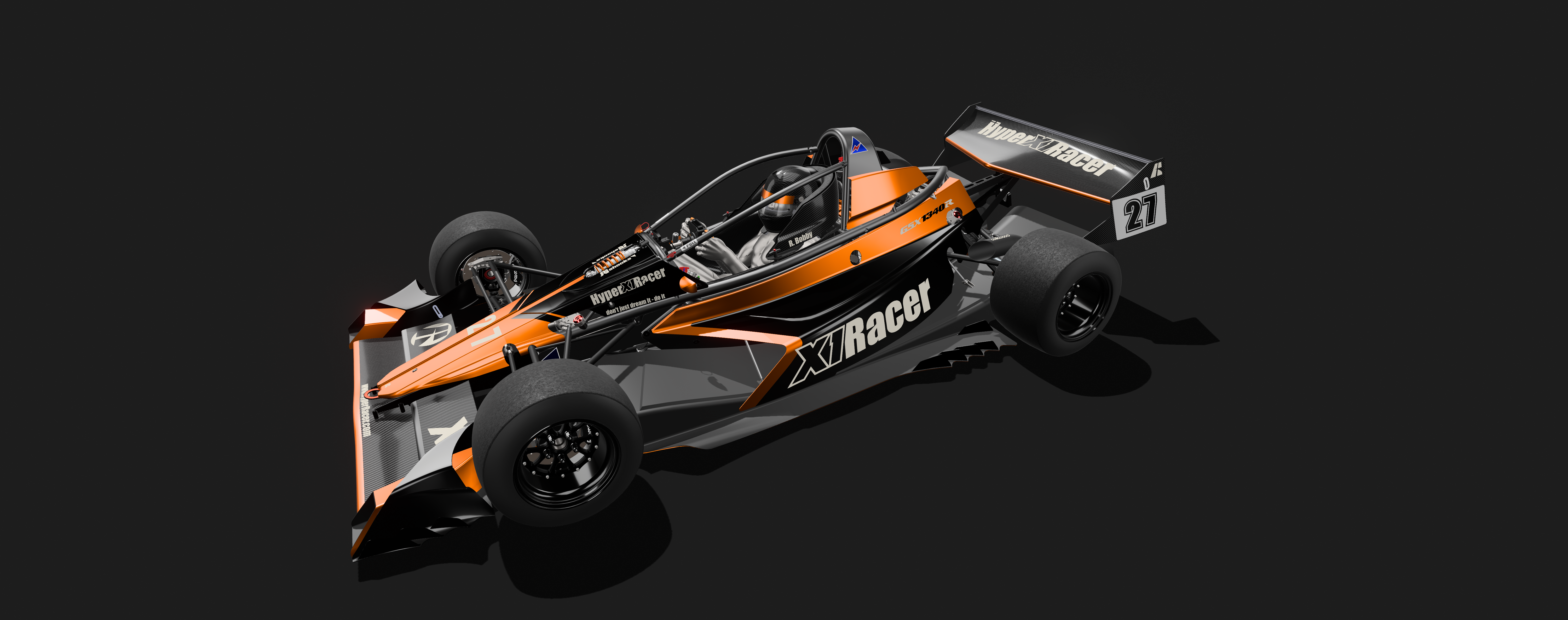
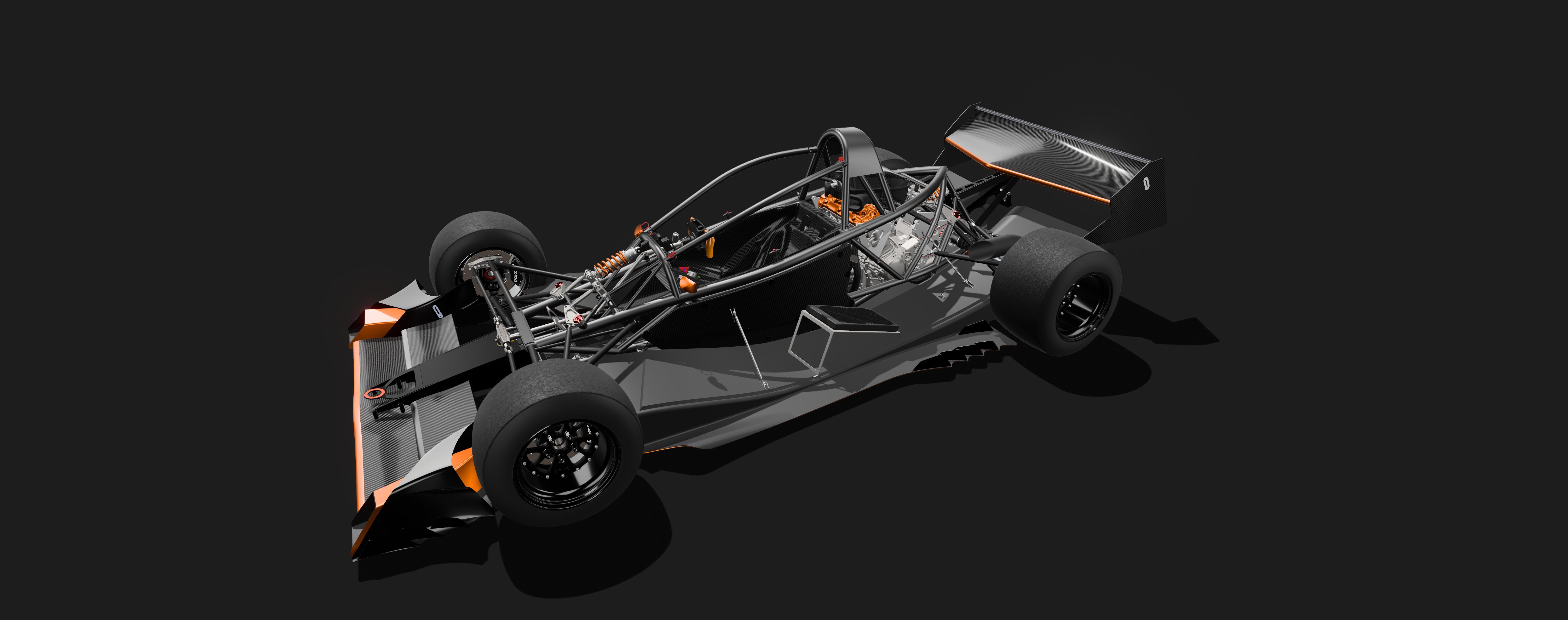
Australian Designer/Engineers Jon and Dean Crooke designed and built the X1, the world's lightest full ground effects race car.
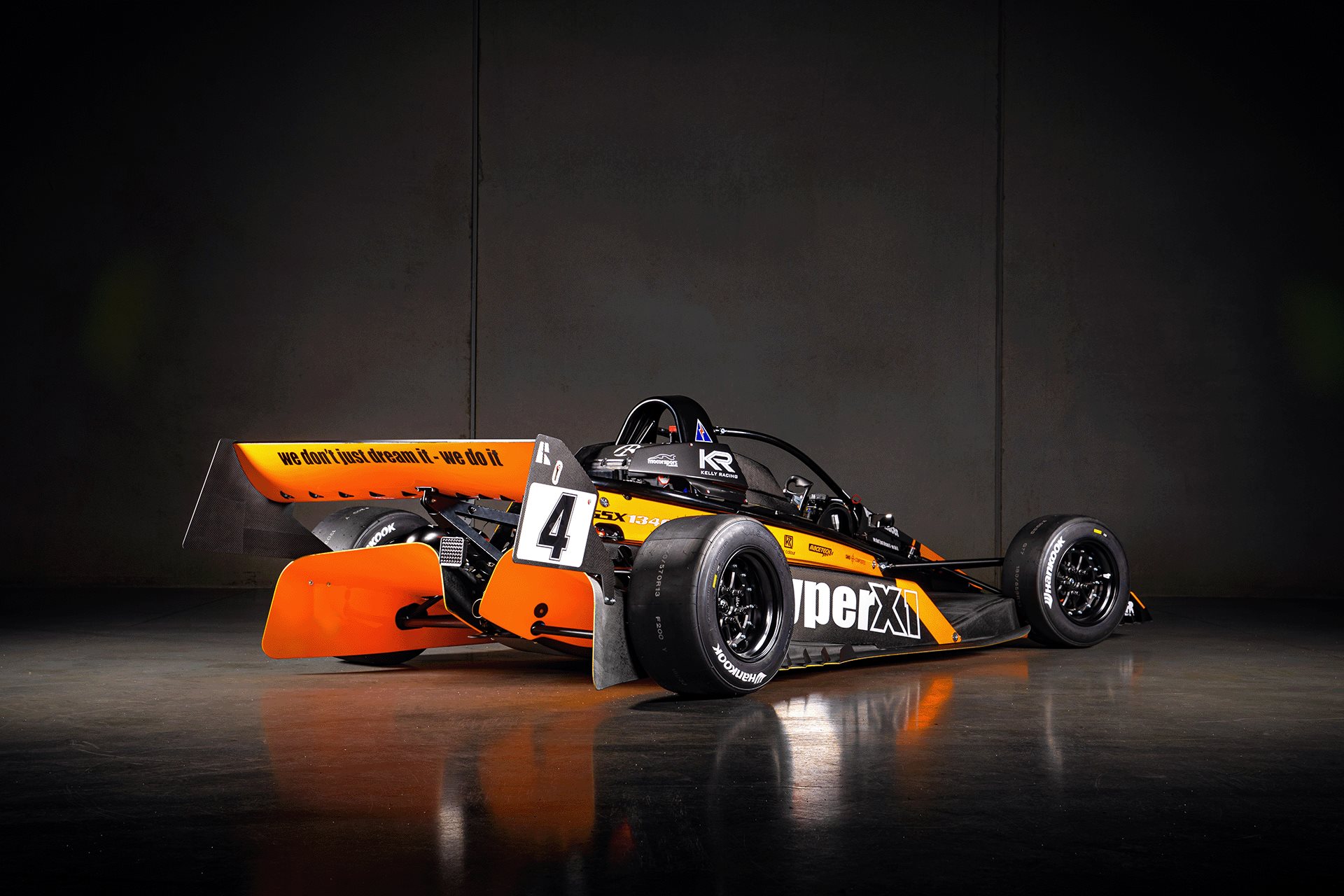
The all composite or carbon fibre skin forms a radical body, utterly honed for performance. The design harnesses the atmosphere around, over and through the X1, resulting in a striking aerodynamic exterior with mind warping downforce.
Chassis hugging upper surfaces, taper around the driver-focused cockpit and engine, and end at a point in front of the rear wing. Air travels through front wing ducts, is rammed into a pair of three meter mega ground-effect tunnels and explodes out the back into two diffusers from hell. The ground effect tunnels are designed to progressively move the centre of pressure rearward as the speed increases. This controls front end grip at slow speeds while providing the driver with mega rear end grip and stability at high speed.
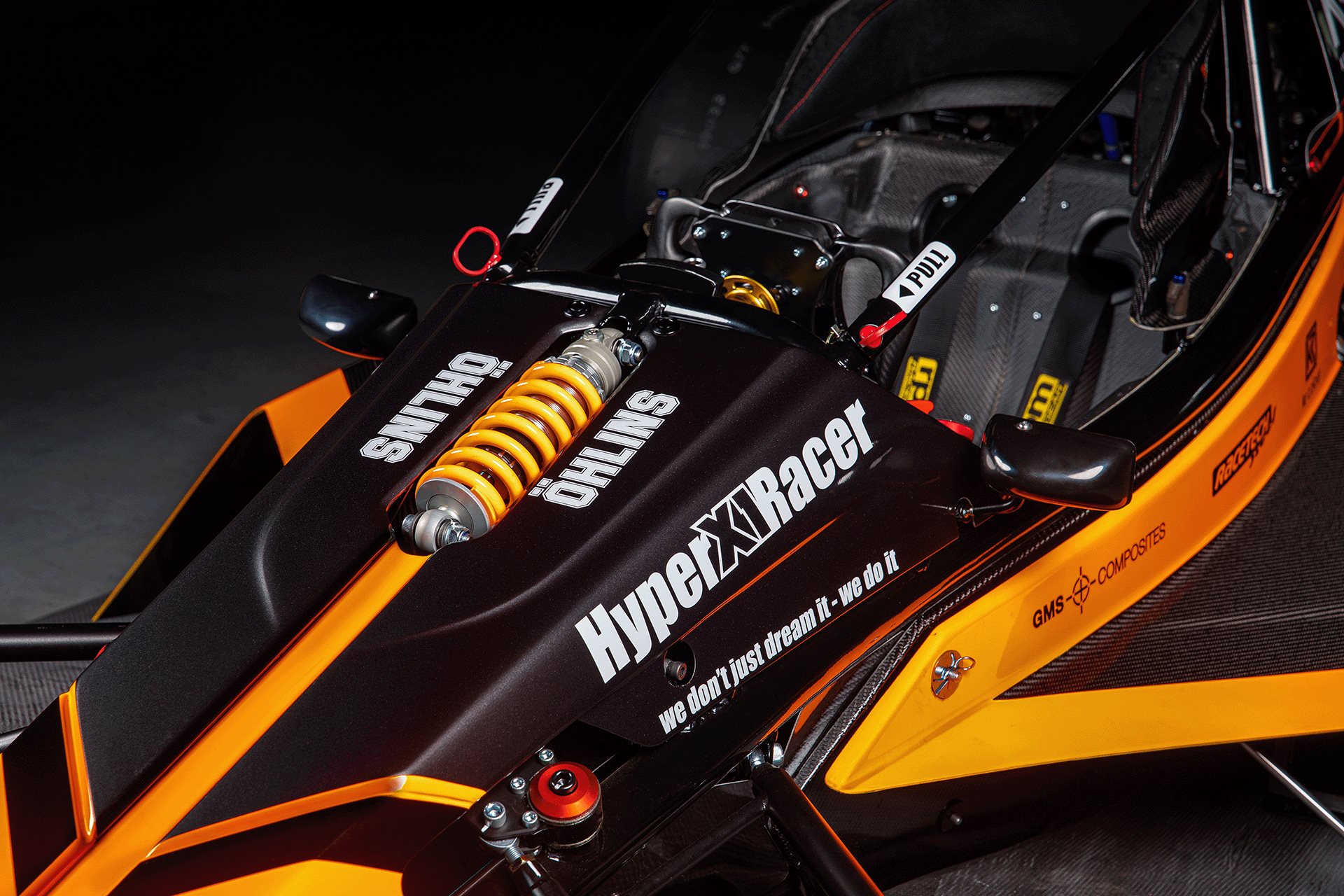
Hundreds of design hours were spent packaging the major components - driver, engine, wheels - into the smallest possible chassis package. If a component or part was not essential, it was removed. Component packaging was kept low and central to minimise roll, pitch, polar and rotational moments of inertia. Every component was selected or manufactured to add 'lightness'.
Every safety element on the X1 is the result of looking at how racing cars hurt people and designing it out. Not because regulations demanded it — because it was the right thing to build.
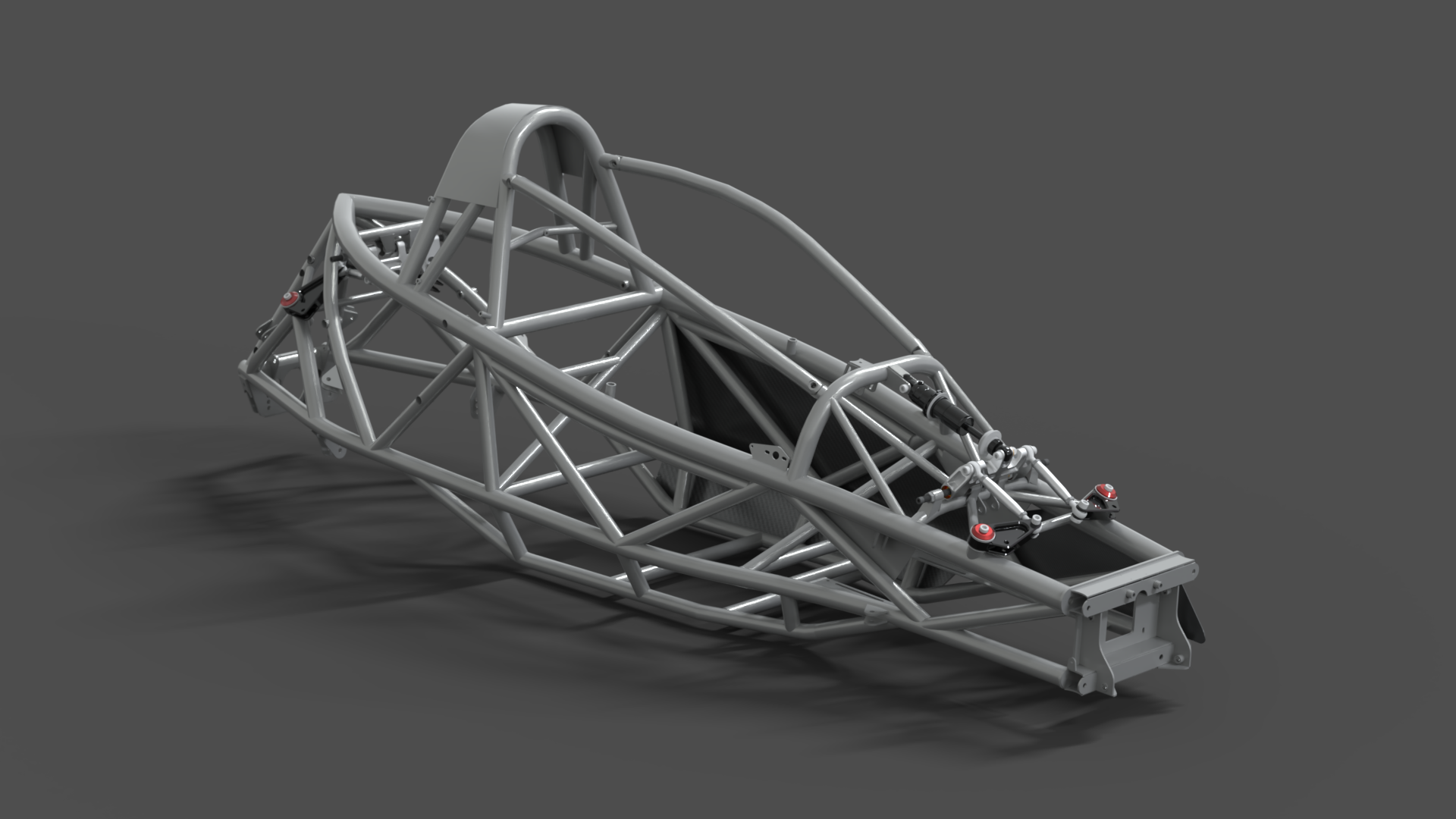
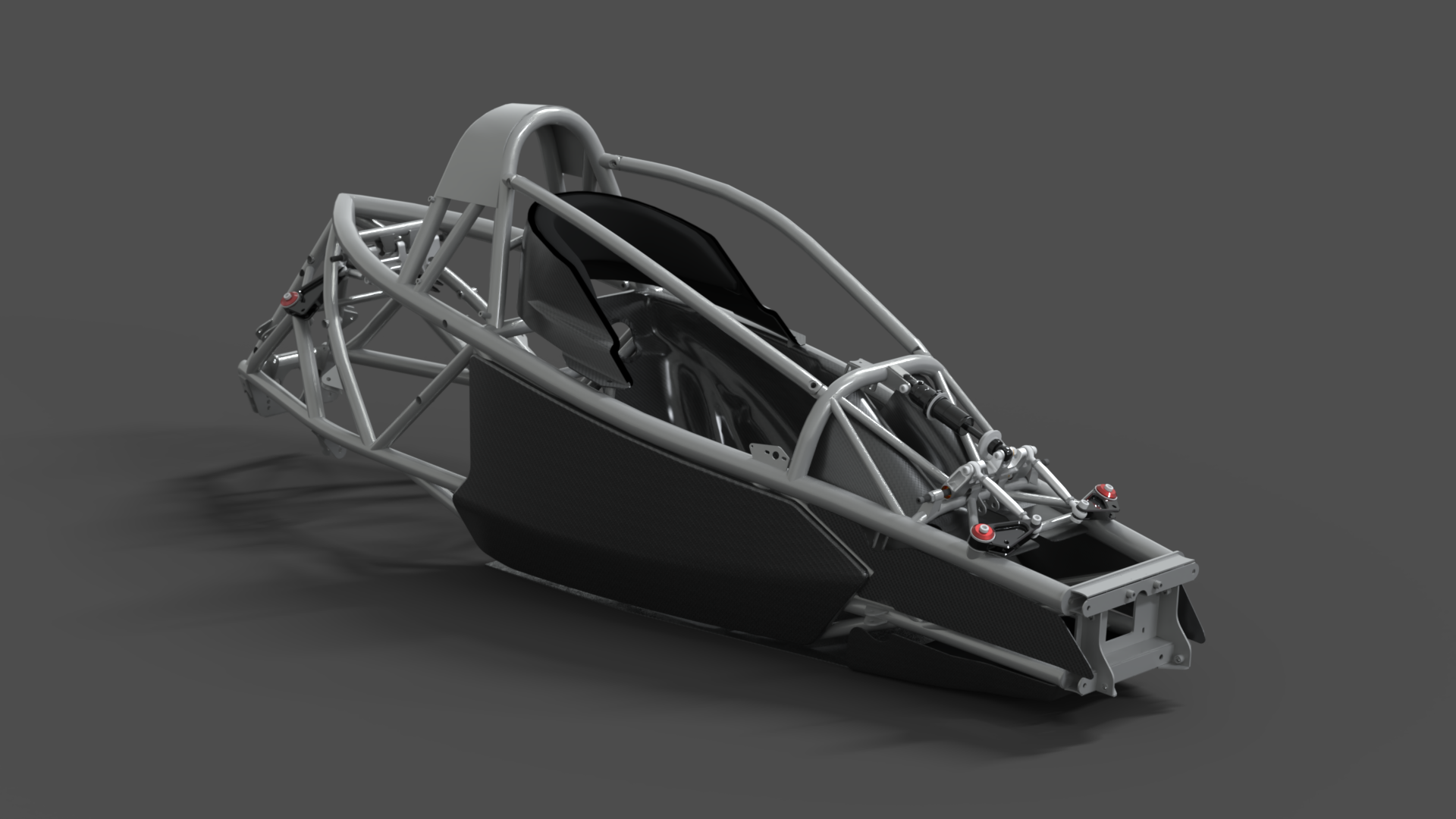
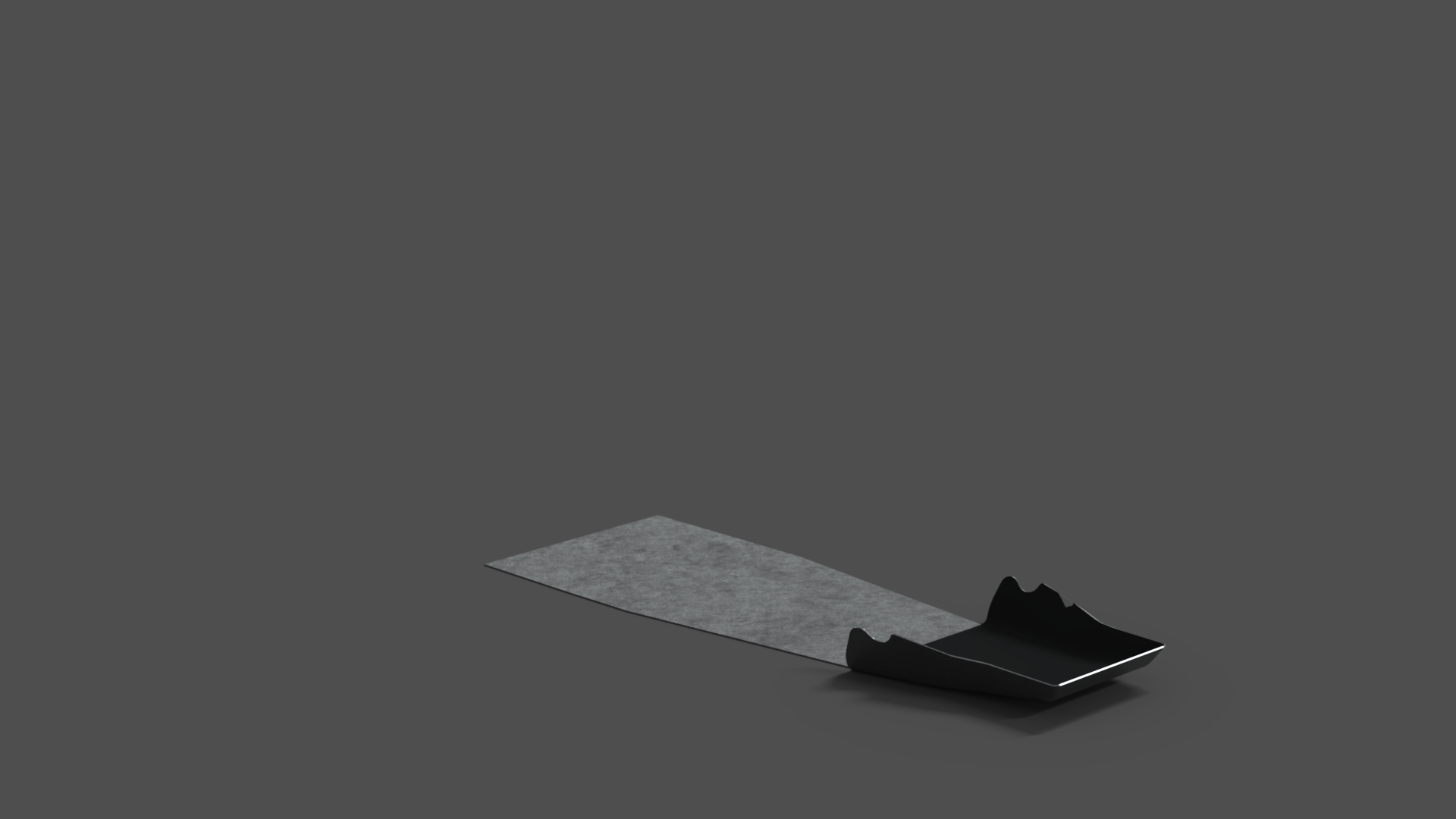
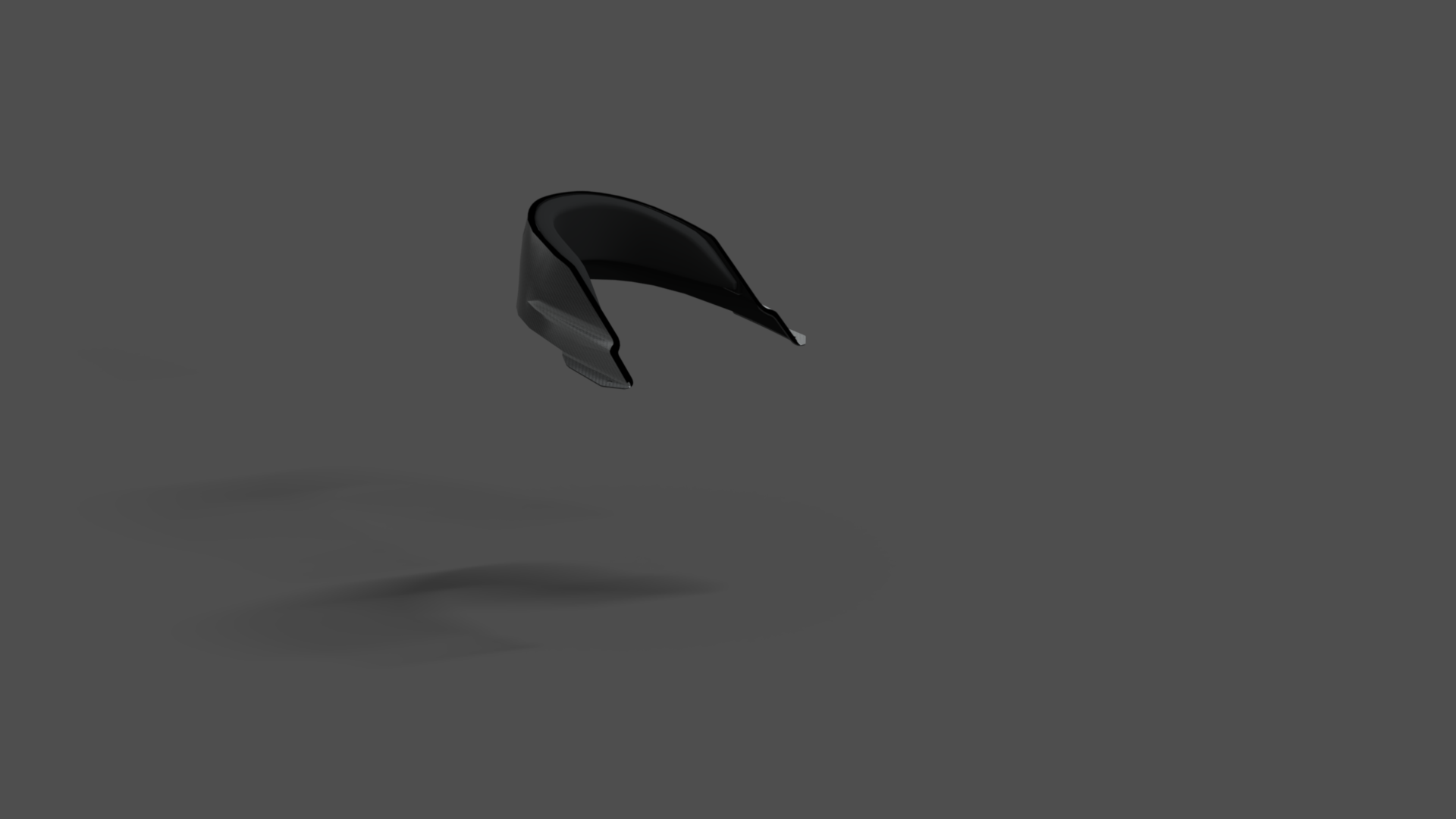
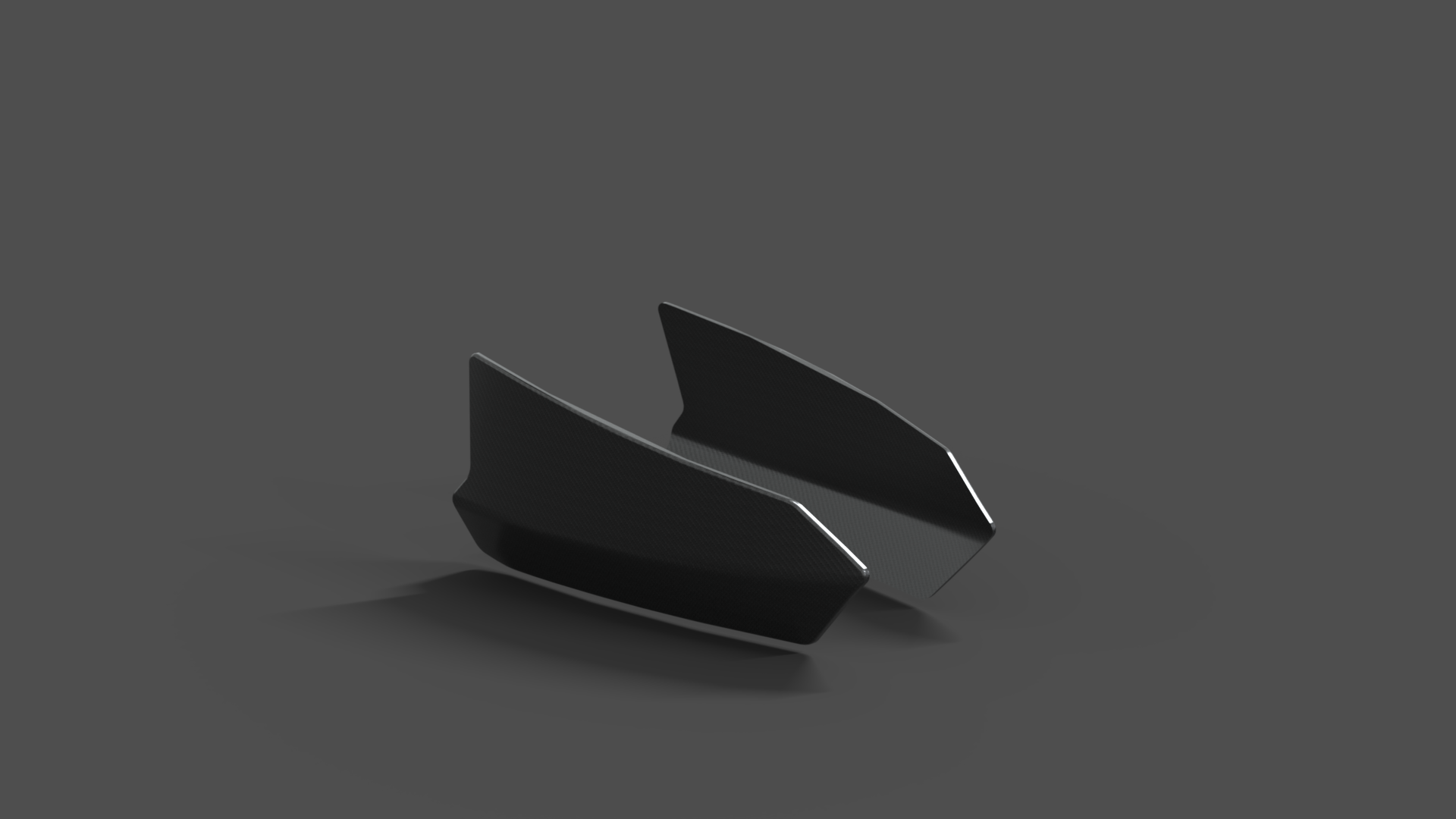
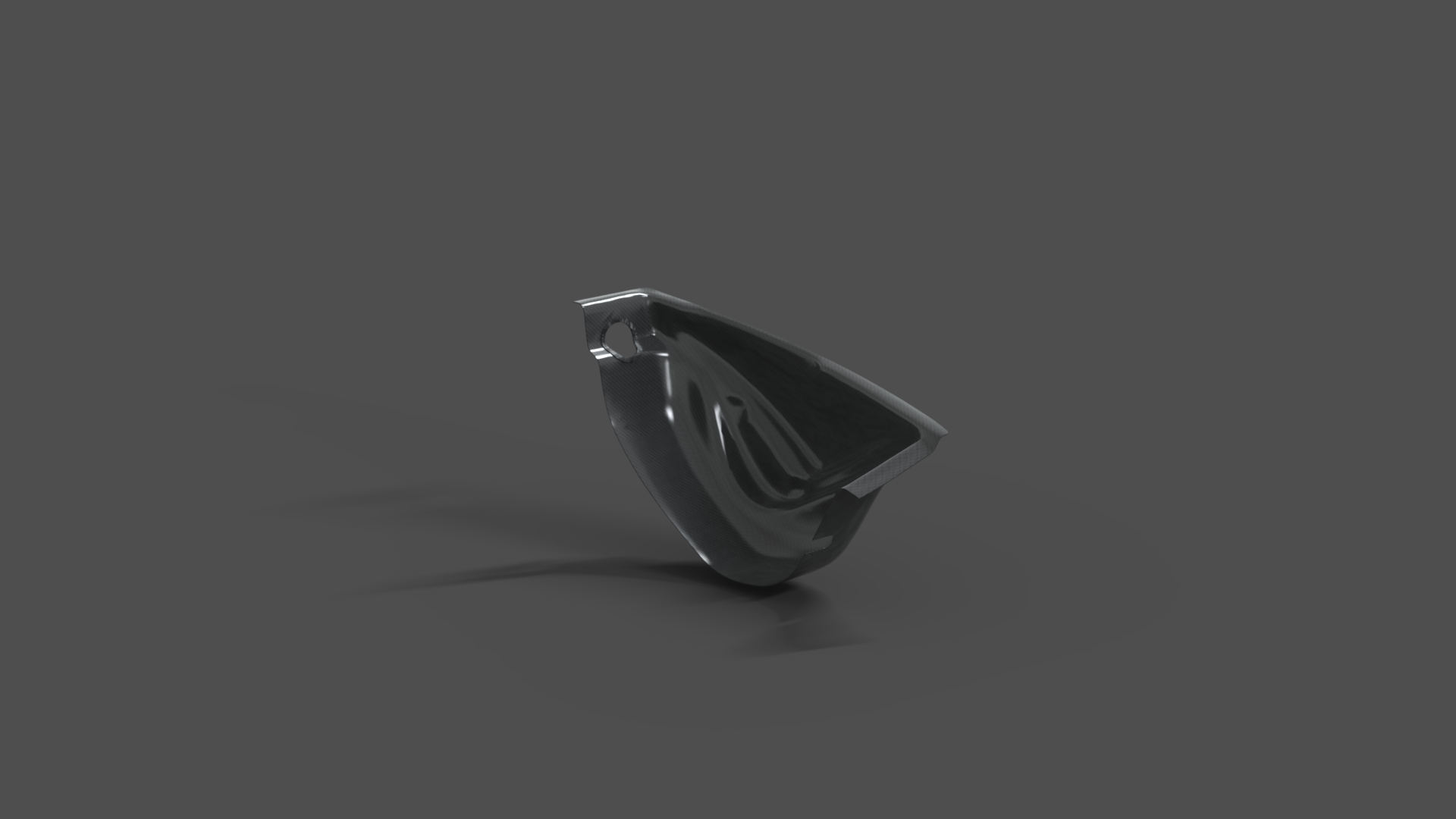
The X1's floor is shaped as a pair of three-metre Venturi tunnels. As air enters and the cross-section narrows, it accelerates. As velocity increases, static pressure drops. The low-pressure zone created beneath the entire floor means atmospheric pressure above is literally pushing the car into the ground — not at two points like a wing, but across the full length of the chassis simultaneously.
This matters because it keeps the centre of pressure stable as speed rises. The car doesn't shift balance as grip builds — it just gets more planted, more predictable, and more capable. The faster you go, the harder it works.
At low speed the X1 feels accessible. At high speed the tunnels are at full capacity and the car is pinned to the circuit with a force that has to be experienced to be understood. The grip limit isn't a wall you hit — it's a horizon that keeps moving away from you.
That's what three metres of ground effect buys you. At this price point, nothing else offers it.
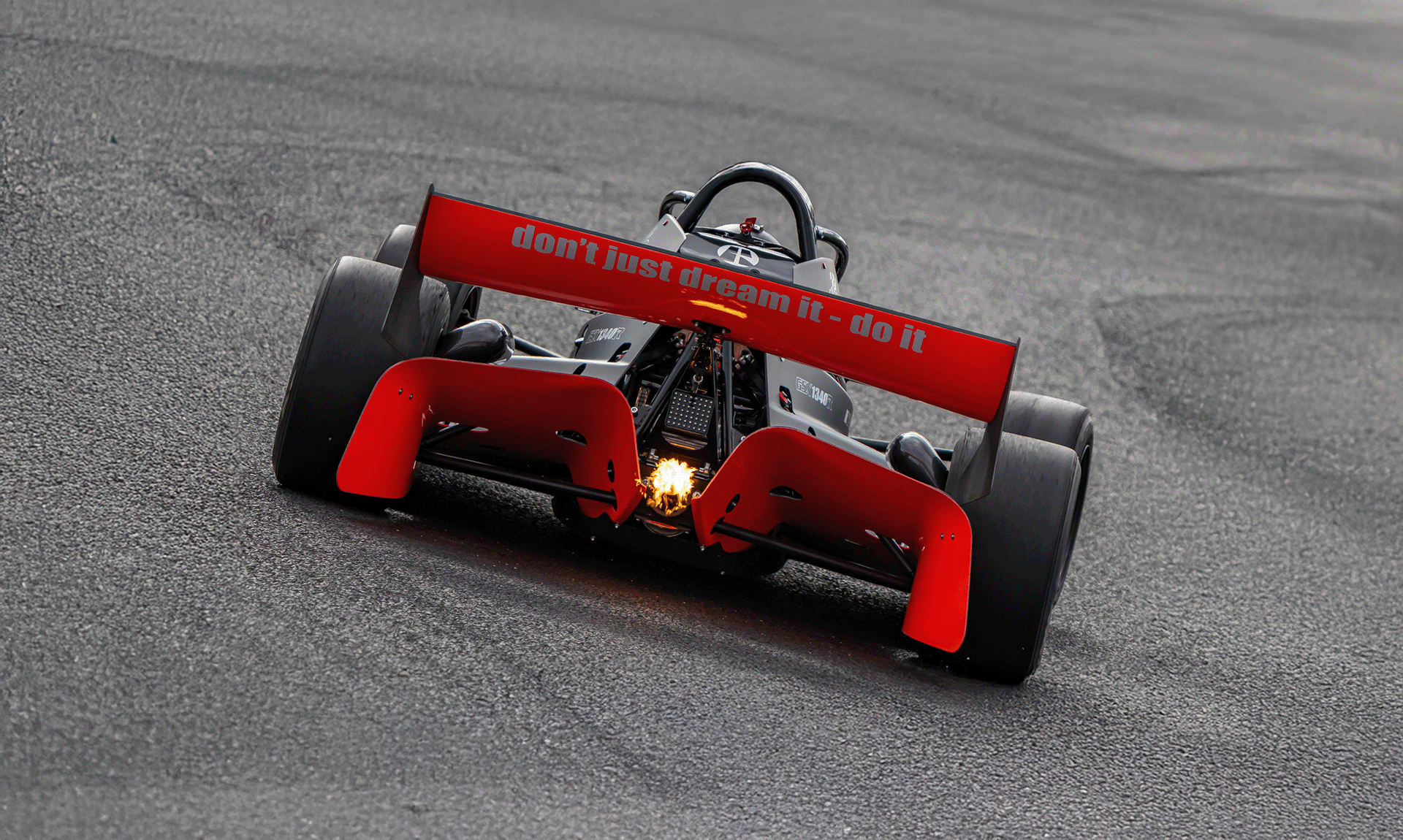
This is the specification every X1 leaves Melbourne with — before a single option is added. Carbon bodywork, engine upgrades, FIA safety gear, wheels and more are all configurable on the build page.